The Next Era of Conscious Consumption
The Next Era of Conscious Consumption
/
Ellen Jackowski Chief Sustainability Officer, Mastercard
Seen through the data in this new report, circular commerce reflects a lasting shift in how people define value and how commerce will continue to evolve.
What happens when doing the environmentally conscious thing also becomes the easy thing — or even the better deal? A growing body of evidence suggests that sustainable choices are no longer driven by intention alone. They're being propelled by value: lower costs, longer-lasting products, and choices that support personal well-being as much as the planet.
That shift is reshaping how people shop and spend. Circular behaviors like resale, rental, repair and reuse are moving into the mainstream, fueled by practicality. In many markets, secondhand clothing sales are already growing far faster than traditional retail, signaling a broader change in what consumers expect from the products they buy and how long they should last.
What’s accelerating this transformation isn’t just changing attitudes. It’s the infrastructure behind them. As digital tools, payments and marketplaces make circular choices more seamless, trusted and accessible, more sustainable options are becoming the simplest ones. When choosing better for the planet takes less effort, adoption follows.
This new report unpacks the data behind that shift. Drawing on insights from across Mastercard’s network and partners, it explores how affordability, durability, trust and access are redefining value. It also outlines what the shift to circular commerce means for businesses, brands and economies, and where the next opportunities for growth are emerging.
The next era of conscious consumption
Affordability, durability and access are accelerating the rise of circular commerce. Brands can win with the new conscious consumer.
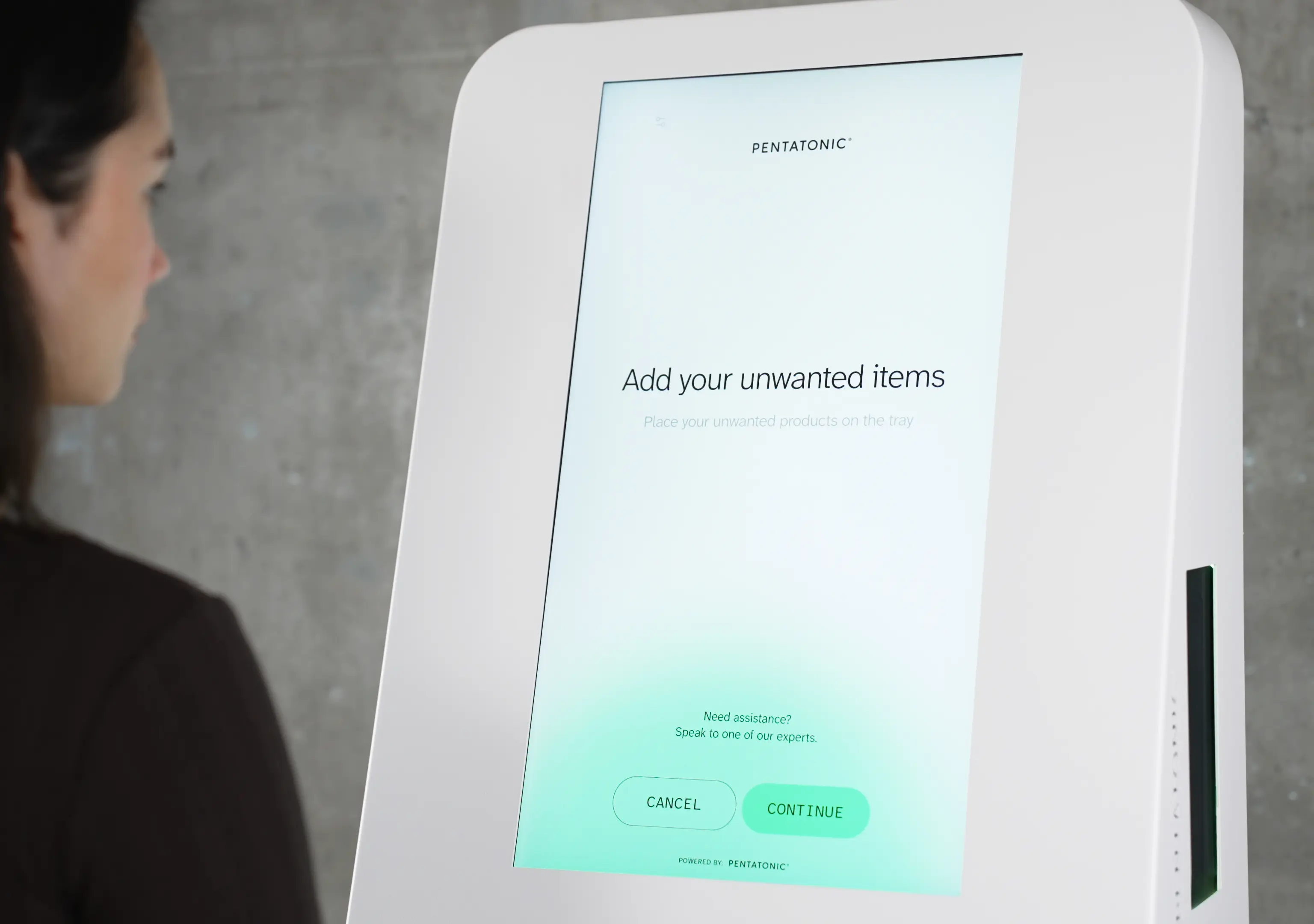
As a Mastercard Start Path alum and ecosystem partner, Pentatonic is featured as a case study in Mastercard's 2026 Conscious Consumption Report. Download below.
Seen through the data in this new report, circular commerce reflects a lasting shift in how people define value and how commerce will continue to evolve.
What happens when doing the environmentally conscious thing also becomes the easy thing — or even the better deal? A growing body of evidence suggests that sustainable choices are no longer driven by intention alone. They're being propelled by value: lower costs, longer-lasting products, and choices that support personal well-being as much as the planet.
That shift is reshaping how people shop and spend. Circular behaviors like resale, rental, repair and reuse are moving into the mainstream, fueled by practicality. In many markets, secondhand clothing sales are already growing far faster than traditional retail, signaling a broader change in what consumers expect from the products they buy and how long they should last.
What’s accelerating this transformation isn’t just changing attitudes. It’s the infrastructure behind them. As digital tools, payments and marketplaces make circular choices more seamless, trusted and accessible, more sustainable options are becoming the simplest ones. When choosing better for the planet takes less effort, adoption follows.
This new report unpacks the data behind that shift. Drawing on insights from across Mastercard’s network and partners, it explores how affordability, durability, trust and access are redefining value. It also outlines what the shift to circular commerce means for businesses, brands and economies, and where the next opportunities for growth are emerging.
The next era of conscious consumption
Affordability, durability and access are accelerating the rise of circular commerce. Brands can win with the new conscious consumer.
As a Mastercard Start Path alum and ecosystem partner, Pentatonic is featured as a case study in Mastercard's 2026 Conscious Consumption Report. Download below.
About the author

Jamie Hall is the Co-Founder and Chief Marketing Officer of Pentatonic. He directs the integration of customer experience with multi-commerce principles, ensuring that circularity is embedded across our platform, partnerships and programs. He previously held senior leadership roles at Nike and Levi’s, where he developed deep expertise in product design, brand communications, and customer innovation.

