Technology
Use-Cycle Intelligence and the Next Era of Footwear
Use-Cycle Intelligence and the Next Era of Footwear

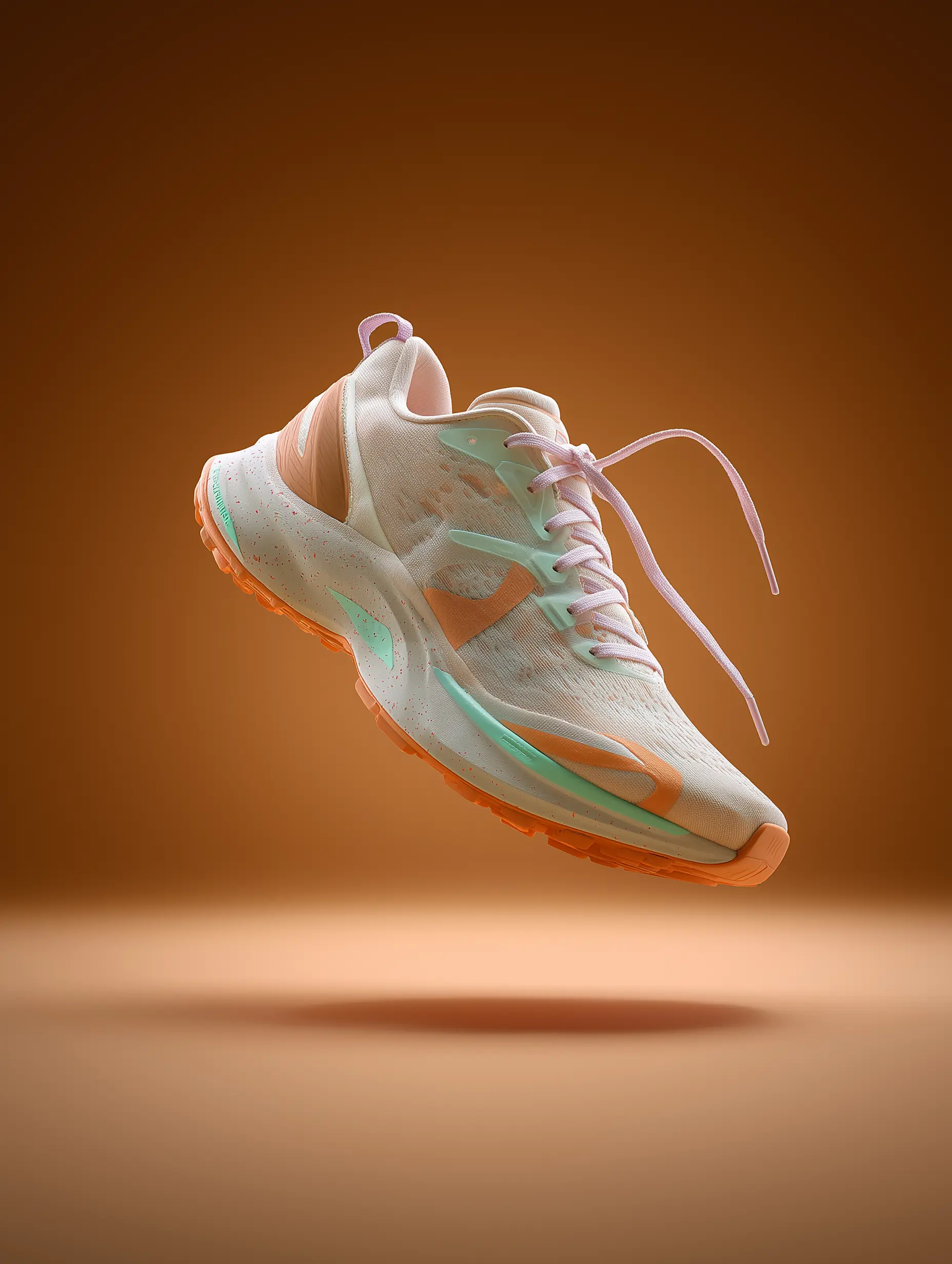
For decades, the footwear industry has been optimised around a single moment in time: the point of sale.
We design shoes, test them in controlled environments, manufacture at scale, merchandise them beautifully, and measure success by sell-through. Then the product leaves the store or the checkout page and effectively disappears from view.
What happens next has largely been invisible.
How the shoe is actually used.
How it performs under real conditions.
Where it fails.
Why it is returned, repaired, resold, or discarded.
It is a striking and widespread blind spot, one that sits uncomfortably with an industry defined by performance, movement, and science. It is also no longer sustainable.
The global footwear market was valued at over USD 403 billion in 2023 and is projected to exceed USD 543 billion by 2030.
Growth is being driven by athletic and lifestyle footwear, by faster product cycles, and by consumers who expect better performance, better fit, and more responsible outcomes from the products they buy.
Yet most footwear brands still only truly understand their products until the moment they are sold.
After that, the product goes into the void.
The missing intelligence layer in footwear
Footwear is one of the most information-rich product categories in the world.
A shoe does not just get worn. It gets flexed, compressed, abraded, stressed, and loaded asymmetrically. It records how people move, where materials fail, how fit behaves over time, and how different constructions perform across different bodies, surfaces, and use patterns.
But historically, the industry has had no scalable way to capture that intelligence.
Returns were treated as cost.
Take-back as logistics.
Resale as someone else’s business.
What was missing was an operating layer that could reconnect physical products, real-world use, and digital systems.
This is where Use-Cycle Intelligence changes everything.
Use-Cycle Intelligence as a system outcome
Use-Cycle Intelligence does not exist in isolation. It is not a dataset, a dashboard, or a theoretical framework. It is the outcome of a system designed to reconnect physical products with digital intelligence at scale.
At Pentatonic, Use-Cycle Intelligence is generated by our Multi-commerce technologies, an end-to-end circular commerce system built specifically for complex, physical products like footwear. At the core of that system sits a physical AI layer that can see, understand, and act on products as they move through real-world use and recovery.
Multi-commerce is what makes intelligence possible.
Intelligence begins with recapture, not speculation
Historically, footwear brands have relied on assumptions. Lab testing, limited wear trials, survey data, and high-level returns codes have stood in for real-world insight. Those methods were never designed to capture how products actually live in the world.
Pentatonic’s Multi-commerce system changes that by enabling brands to recapture products directly from consumers, through in-store and at-home trade-in, take-back, and resale flows.
Every recaptured product becomes both a recoverable asset, and a source of intelligence.
Authentication, condition assessment, and valuation happen in milliseconds. Consumers can scan products at home. Retail teams can focus on serving customers whilst our Physical Intelligence Nodes process trade-in instantly and autonomously. Warehouses can assess at throughput.
Where a product is suitable for resale, Pentatonic’s pricing engine instantly values it using live secondary market signals, pulling agentically from hundreds of identical products being bought and sold online at that moment.
Pricing reflects real demand, real condition, and real market behaviour, not static rules or manual estimates.
Each interaction creates a structured event that feeds into a continuously evolving knowledge graph.
This is where the physical AI layer matters.
The physical AI layer that unlocks Use-Cycle Intelligence
Footwear is not a simple product category. It is multi-material, multi-component, and performance-critical. Understanding it requires more than image recognition or basic rules engines.
Pentatonic’s physical AI agents authenticate products, assess condition, interpret wear and usage signals in real time, and determine economic viability through market-informed pricing intelligence. They do not just classify outcomes. They make decisions.
Products are automatically routed to the highest-value next use, whether that is resale, refurbishment, repair, material recovery, or responsible disposal. Pricing confidence is what makes these decisions defensible and scalable. Those decisions are not static. They learn and improve as more products move through the system.
Use-Cycle Intelligence emerges from this loop.
It is the accumulated understanding of how footwear is actually used, stressed, worn, returned, valued, and recovered across multiple cycles, not just the first sale.
From circular programmes to intelligent systems
Many brands run circular initiatives. Few operate circular systems.
The difference is intelligence.
Pentatonic’s Multi-commerce technologies do not sit alongside retail, supply chain, or product teams. They connect them. Every authenticated scan, every condition assessment, every pricing decision, and every routing action enriches a living digital twin of the product.
Over time, brands move from running individual programmes to operating use-cycle intelligent systems.
This enables teams across the organisation to work with the same underlying truth.
Designers and product creators can collaborate with AI systems trained on real-world wear data, not just test assumptions.
Supply chain leaders can see how materials actually perform over time, not just how they are specified.
Circularity and sustainability teams can move from targets to provable outcomes.
This is how insight compounds.
Loyalty lives at the edge of the system
Use-Cycle Intelligence is not only about products. It is about relationships.
Pentatonic’s Physical Intelligence Nodes act as the edge nodes of the system, connecting products, consumers, and brand logic in real time. When a product is scanned, whether at home or in store, it becomes a moment of engagement.
Trade-in triggers rewards instantly.
Valuation is transparent, market-informed, and defensible in real time.
Loyalty is earned through participation, not points alone.
Returns and take-back stop being friction and start becoming moments of value creation.
The same intelligence that powers pricing, routing, and recovery also powers relevance, timing, and trust.
Designing better footwear, continuously
The long-term impact of Use-Cycle Intelligence is not simply better resale economics or more efficient circularity.
It is better footwear.
When product teams collaborate with AI systems trained on thousands, then millions, of real use cycles, footwear design shifts fundamentally. Failure points become visible. Over-engineering is exposed. Materials are chosen for real performance, not theoretical durability.
Products improve not once per season, but continuously across cycles.
This is what Pentatonic’s Multi-commerce system makes possible. Not just circular commerce, but intelligent commerce. Not just recovery, but learning. Not just sustainability, but performance at scale.
Use-Cycle Intelligence is the outcome.Multi-commerce is the system that delivers it.
For decades, the footwear industry has been optimised around a single moment in time: the point of sale.
We design shoes, test them in controlled environments, manufacture at scale, merchandise them beautifully, and measure success by sell-through. Then the product leaves the store or the checkout page and effectively disappears from view.
What happens next has largely been invisible.
How the shoe is actually used.
How it performs under real conditions.
Where it fails.
Why it is returned, repaired, resold, or discarded.
It is a striking and widespread blind spot, one that sits uncomfortably with an industry defined by performance, movement, and science. It is also no longer sustainable.
The global footwear market was valued at over USD 403 billion in 2023 and is projected to exceed USD 543 billion by 2030.
Growth is being driven by athletic and lifestyle footwear, by faster product cycles, and by consumers who expect better performance, better fit, and more responsible outcomes from the products they buy.
Yet most footwear brands still only truly understand their products until the moment they are sold.
After that, the product goes into the void.
The missing intelligence layer in footwear
Footwear is one of the most information-rich product categories in the world.
A shoe does not just get worn. It gets flexed, compressed, abraded, stressed, and loaded asymmetrically. It records how people move, where materials fail, how fit behaves over time, and how different constructions perform across different bodies, surfaces, and use patterns.
But historically, the industry has had no scalable way to capture that intelligence.
Returns were treated as cost.
Take-back as logistics.
Resale as someone else’s business.
What was missing was an operating layer that could reconnect physical products, real-world use, and digital systems.
This is where Use-Cycle Intelligence changes everything.
Use-Cycle Intelligence as a system outcome
Use-Cycle Intelligence does not exist in isolation. It is not a dataset, a dashboard, or a theoretical framework. It is the outcome of a system designed to reconnect physical products with digital intelligence at scale.
At Pentatonic, Use-Cycle Intelligence is generated by our Multi-commerce technologies, an end-to-end circular commerce system built specifically for complex, physical products like footwear. At the core of that system sits a physical AI layer that can see, understand, and act on products as they move through real-world use and recovery.
Multi-commerce is what makes intelligence possible.
Intelligence begins with recapture, not speculation
Historically, footwear brands have relied on assumptions. Lab testing, limited wear trials, survey data, and high-level returns codes have stood in for real-world insight. Those methods were never designed to capture how products actually live in the world.
Pentatonic’s Multi-commerce system changes that by enabling brands to recapture products directly from consumers, through in-store and at-home trade-in, take-back, and resale flows.
Every recaptured product becomes both a recoverable asset, and a source of intelligence.
Authentication, condition assessment, and valuation happen in milliseconds. Consumers can scan products at home. Retail teams can focus on serving customers whilst our Physical Intelligence Nodes process trade-in instantly and autonomously. Warehouses can assess at throughput.
Where a product is suitable for resale, Pentatonic’s pricing engine instantly values it using live secondary market signals, pulling agentically from hundreds of identical products being bought and sold online at that moment.
Pricing reflects real demand, real condition, and real market behaviour, not static rules or manual estimates.
Each interaction creates a structured event that feeds into a continuously evolving knowledge graph.
This is where the physical AI layer matters.
The physical AI layer that unlocks Use-Cycle Intelligence
Footwear is not a simple product category. It is multi-material, multi-component, and performance-critical. Understanding it requires more than image recognition or basic rules engines.
Pentatonic’s physical AI agents authenticate products, assess condition, interpret wear and usage signals in real time, and determine economic viability through market-informed pricing intelligence. They do not just classify outcomes. They make decisions.
Products are automatically routed to the highest-value next use, whether that is resale, refurbishment, repair, material recovery, or responsible disposal. Pricing confidence is what makes these decisions defensible and scalable. Those decisions are not static. They learn and improve as more products move through the system.
Use-Cycle Intelligence emerges from this loop.
It is the accumulated understanding of how footwear is actually used, stressed, worn, returned, valued, and recovered across multiple cycles, not just the first sale.
From circular programmes to intelligent systems
Many brands run circular initiatives. Few operate circular systems.
The difference is intelligence.
Pentatonic’s Multi-commerce technologies do not sit alongside retail, supply chain, or product teams. They connect them. Every authenticated scan, every condition assessment, every pricing decision, and every routing action enriches a living digital twin of the product.
Over time, brands move from running individual programmes to operating use-cycle intelligent systems.
This enables teams across the organisation to work with the same underlying truth.
Designers and product creators can collaborate with AI systems trained on real-world wear data, not just test assumptions.
Supply chain leaders can see how materials actually perform over time, not just how they are specified.
Circularity and sustainability teams can move from targets to provable outcomes.
This is how insight compounds.
Loyalty lives at the edge of the system
Use-Cycle Intelligence is not only about products. It is about relationships.
Pentatonic’s Physical Intelligence Nodes act as the edge nodes of the system, connecting products, consumers, and brand logic in real time. When a product is scanned, whether at home or in store, it becomes a moment of engagement.
Trade-in triggers rewards instantly.
Valuation is transparent, market-informed, and defensible in real time.
Loyalty is earned through participation, not points alone.
Returns and take-back stop being friction and start becoming moments of value creation.
The same intelligence that powers pricing, routing, and recovery also powers relevance, timing, and trust.
Designing better footwear, continuously
The long-term impact of Use-Cycle Intelligence is not simply better resale economics or more efficient circularity.
It is better footwear.
When product teams collaborate with AI systems trained on thousands, then millions, of real use cycles, footwear design shifts fundamentally. Failure points become visible. Over-engineering is exposed. Materials are chosen for real performance, not theoretical durability.
Products improve not once per season, but continuously across cycles.
This is what Pentatonic’s Multi-commerce system makes possible. Not just circular commerce, but intelligent commerce. Not just recovery, but learning. Not just sustainability, but performance at scale.
Use-Cycle Intelligence is the outcome.Multi-commerce is the system that delivers it.
About the author
Jamie Hall is the Co-Founder and Chief Marketing Officer of Pentatonic. He directs the integration of customer experience with multi-commerce principles, ensuring that circularity is embedded across our platform, partnerships and programs. He previously held senior leadership roles at Nike and Levi’s, where he developed deep expertise in product design, brand communications, and customer innovation.

We’d love to show you exactly how our multi-commerce system works.
BOOK A DEMO
We’d love to show you exactly how our multi-commerce system works.
BOOK A DEMO
We’d love to show you exactly how our multi-commerce system works.
BOOK A DEMO
We’d love to show you exactly how our multi-commerce system works.
BOOK A DEMO
27 Downham Road Units 5–6
London, N1 5AA
UK
VAT: GB307379003
2140 S Dupont Highway
Camden, Kent, DE 19934
USA
VAT: GB307379003
GET IN TOUCH
PRIVACY POLICY

27 Downham Road Units 5–6
London, N1 5AA
UK
VAT: GB307379003
2140 S Dupont Highway
Camden, Kent, DE 19934
USA
VAT: GB307379003
GET IN TOUCH
PRIVACY POLICY
27 Downham Road Units 5–6
London, N1 5AA
UK
VAT: GB307379003
2140 S Dupont Highway
Camden, Kent, DE 19934
USA
VAT: GB307379003
GET IN TOUCH
PRIVACY POLICY
27 Downham Road Units 5–6
London, N1 5AA
UK
VAT: GB307379003
2140 s dupont highway
camden, kent, de 19934
Usa
VAT: GB307379003
GET IN TOUCH
PRIVACY POLICY
27 Downham Road Units 5–6
London, N1 5AA
UK
VAT: GB307379003
2140 s dupont highway
camden, kent, de 19934
Usa
VAT: GB307379003
GET IN TOUCH
PRIVACY POLICY