Technology
How Technological Breakthroughs Are Unlocking the Multi-Billion-Dollar Secondhand Luxury Market for Brands
How Technological Breakthroughs Are Unlocking the Multi-Billion-Dollar Secondhand Luxury Market for Brands


Luxury Market for Brands
Over the last decade, resale has quietly become one of the fastest-growing movements in global commerce. The secondhand luxury market is now estimated at $210–220bn USD, growing three times faster than traditional retail and projected to reach $320–360bn USDby 2030 (bcg.com).
Younger consumers, already fluent in trading, renting, swapping and flipping, are not only driven by value or access, but increasingly by a desire to make responsible, sustainable choices. They see ownership as fluid, value as dynamic, and recognise that a high-quality product need not gather dust in cupboards or worse, occupy a landfill after one use-cycle. In this context, repair and resale align with their worldview: why should a perfectly good product have a single life?
This shift isn’t a fad; it is becoming embedded in behaviour. Anyone who has spent time in sneakers, streetwear, watches, handbags or high jewellery knows this culture well - a box-fresh pair of rare Jordans, a Rolex Daytona, a Hermès Birkin. These aren’t just owned - they circulate, appreciate, and function as part of an economy.
Yet despite booming demand, much of the traditional luxury sector still hesitates to embrace resale. The objections are familiar: brand equity risk, counterfeit anxiety, logistical complexity, lack of data, and cultural resistance to “used luxury.” In short, consumers have moved. Markets have moved. But many brands have not. And that gap represents one of the largest untapped value pools in modern luxury - a value pool that technology is finally making possible to capture.
Where Luxury Resale Already Thrives And Why These Markets Prove Prestige Is Not Diluted
The strongest argument for resale isn’t simply sustainability - it’s value and growth. Several luxury categories already behave like regulated asset classes: transparent pricing, global liquidity, established trading platforms and, increasingly, investor participation treating these goods as durable financial assets.
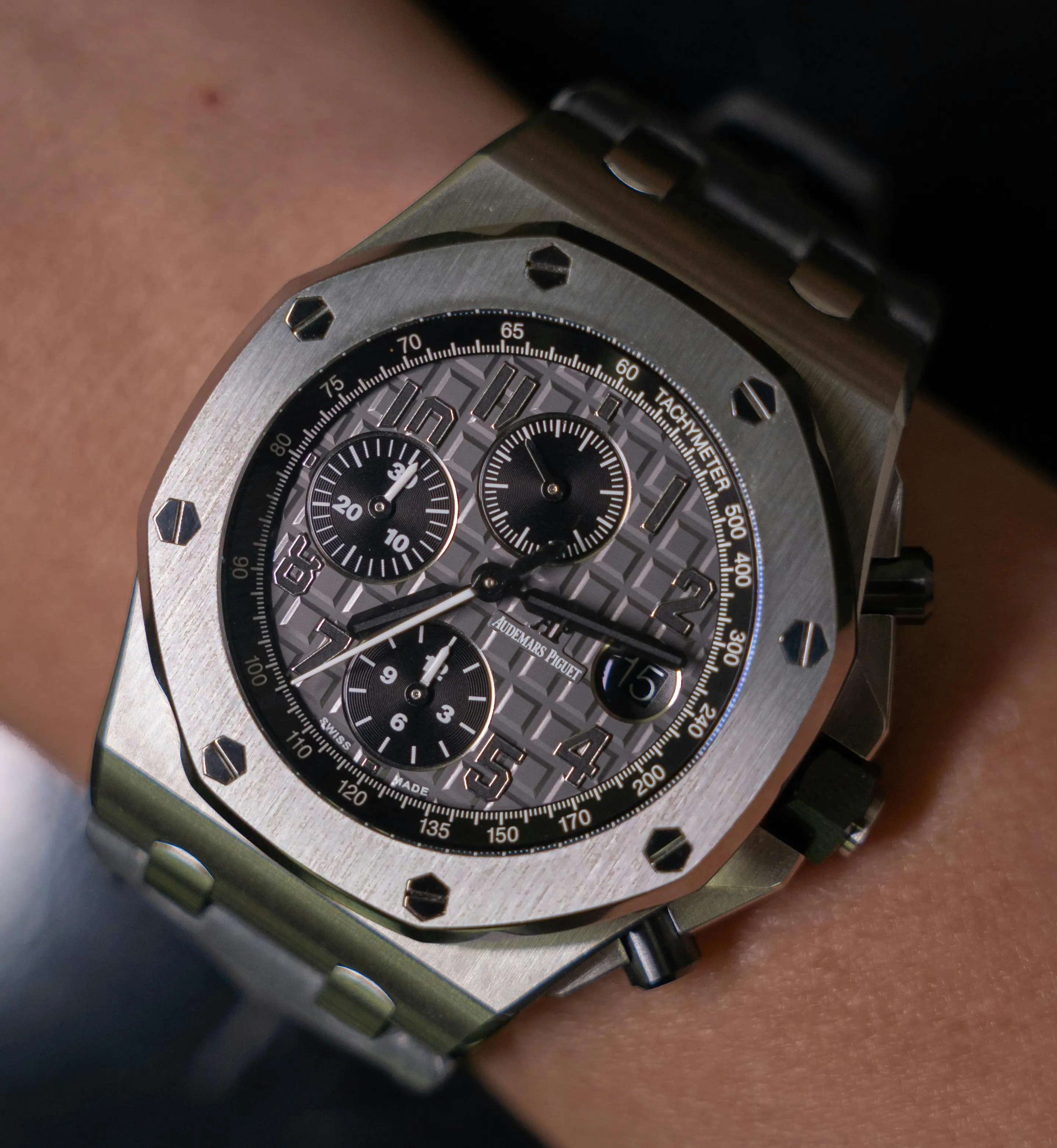
In luxury watches, the pre-owned segment is surging. The global pre-owned luxury watch market was estimated at $24–26bn USD in 2023–2024, and is forecast to reach $45–60bn USD by 2030–2033, growing around 9–10% annually (grandviewresearch.com). Models like the Rolex Submariner, Patek Philippe Nautilus and Audemars Piguet Royal Oak regularly trade at 200% or more of retail price. Investors now treat some references with the same discipline they apply to equities.
Handbags and leather goods show similar dynamics. For icons from houses such as Hermès or Chanel, resale pricing often behaves like a secondary MSRP. These products don’t lose prestige when they enter a second life, in many cases the secondary market cements their status and reinforces desirability.
In jewellery, certain brands demonstrate exceptional resilience. Pieces from leading maisons frequently retain 74–86% of their original retail value, according to multiple resale analyses from platforms such as Fashionphile and The RealReal. Cartier “Love” bracelets are a textbook example. Originally priced around $250 USD in the early 1970s, they now regularly resell for over $6,000 USD on established secondary markets. The right iconography, craftsmanship and brand narrative can turn jewellery into a long-term store of value, and in some cases, into an appreciating collectable asset.
Then there is gold, the blueprint for timelessness. Nearly 90% of all gold ever mined remains in circulation. It is infinitely recyclable without losing purity, carries zero stigma regardless of age and meets roughly 30% of annual global demand through recycling. Gold demonstrates that circularity and prestige coexist naturally.
But here’s the caveat: gold is a material, and peer-to-peer resale is decentralised. These markets thrive, but they give brands no control, no visibility, and no share of the value created. To capture that value, luxury houses must own their secondary markets.
Resale as Brand Strength
Some sectors have already shown that when resale is managed scientifically and with brand-led standards, it enhances prestige rather than diluting it.
In luxury watches, Certified Pre-Owned (CPO) programmes offer authentication, guarantees and brand-aligned pricing. Resale becomes brand-first, not platform-first.
In automotive, brands such as Porsche and Ferrari have owned their secondary markets for decades. They manage depreciation curves, ensure provenance and monetise pre-owned products without sacrificing exclusivity.
These examples challenge the outdated fear that resale erodes luxury positioning. In reality, when brands set the rules, resale reinforces luxury codes and deepens customer engagement.
Why Many Luxury Brands Still Hesitate And Why That Is Changing Quickly
Despite the upside, many fashion and leather-goods houses remain cautious. Leaders often raise concerns such as:
“It will dilute our brand.”
“It will validate counterfeit markets.”
“We don’t have the data to manage quality and resale value.”
“We don’t have the operational infrastructure.”
“It won’t scale profitably.”
“We’ll lose control of customer relationships.”
Increasingly, another strategic concern has emerged: by delaying, brands risk ceding billions in profit pools to third parties such as StockX, eBay, Vestiaire Collective and Chrono24.
Early movers will cement market power and shape customer expectations. This is a rare moment in luxury - the timing is urgent and the opportunity unusually large.
The Turning Point: Technology Has Made Resale a First-Class Channel
Modern technology, powered most recently by advanced AI, computer vision and modular commerce platforms, is removing every structural barrier that previously made resale operationally complex or reputationally risky.
Pentatonic’s multi-commerce platform, comprising proprietary hardware and software modalities, is one example of this shift. It demonstrates how intentional design can dismantle every major concern luxury brands have historically held.
Solving for authenticity
Advanced Vision AI identifies, grades and prices products with over 99% accuracy, using either small-format kiosks in retail or a customer’s phone at home. As counterfeits become more sophisticated, human inspection alone is no longer sufficient - even seasoned authenticators now encounter replicas that pass traditional checks. AI offers consistent, objective and tamper- proof verification, and can also intelligently route items based on brand-defined rules - such as repair, resale, refurbishment or rejection if standards are not met.
Eliminating infrastructure costs
Pentatonic enables both in-store (via state of the art kiosks) and at-home mobile capture for mail-in returns, each providing instant, simple value recovery for consumers. Customers can capture an item at home to trigger trade-in or credit, or use a compact in-store kiosk for a guided journey. No retrofitting, logistics overhaul or complex returns architecture is required.
Automating pricing and valuation
Pentatonic’s real-time dynamic pricing engines use marketplace data, computer-vision-driven condition assessment and digital twin models to generate accurate resale values instantly. This removes manual bottlenecks, dependencies on already stretched retail and operational staff and ensures fairness and brand alignment.
Scaling resale profitably
With event-based, modular architecture and warehouse automation, secondhand operations are no longer heavy-cost environments. Sorting, grading and routing - whether toward resale, repair, upcycling or recycling - can be automated and executed with precision, delivering unit economics that make resale commercially scalable.

Retaining data and the customer relationship
All product, customer and lifecycle data remain brand-owned. Combined with virtual try-on, personalised styling and loyalty mechanisms, resale becomes a direct extension of the brand relationship rather than an outsourced experience. In recent case studies, stores participating in trade-in programmes saw meaningful foot traffic lifts and expanded regional draw.
In one major Perntatonic multi-commerce programme from 2024, 85% of customers living within a 25-mile radius of a participating store opted to return at the store over the mail-in channel - a clear indicator of demand for brand-led recommerce experiences.
In short: resale ceases to be a liability. It becomes a strategic asset.
The New Gold Rush for Luxury Brands
Luxury has always relied on materials designed to endure: leather, steel, diamonds, and gold. Yet the industry has often treated these durable goods as though they were single-use. Consumers - especially those driven by values, sustainability and long-term thinking - already understand that great products deserve multiple lives.
Now, technology pioneered by companies like Pentatonic gives brands the confidence, control and commercial rationale to participate in that world. And just like gold, the luxury products that thrive over time will be the ones that circulate, accruing value, story and significance with each life.
The brands that recognise this - and adopt the tools that make it possible - will not just protect their equity. They will reclaim and monetise the billions in value that have been sitting in plain sight. The secondhand gold rush has already begun. And now, for the first time, luxury brands have the tools to claim their share.
Luxury Market for Brands
Over the last decade, resale has quietly become one of the fastest-growing movements in global commerce. The secondhand luxury market is now estimated at $210–220bn USD, growing three times faster than traditional retail and projected to reach $320–360bn USDby 2030 (bcg.com).
Younger consumers, already fluent in trading, renting, swapping and flipping, are not only driven by value or access, but increasingly by a desire to make responsible, sustainable choices. They see ownership as fluid, value as dynamic, and recognise that a high-quality product need not gather dust in cupboards or worse, occupy a landfill after one use-cycle. In this context, repair and resale align with their worldview: why should a perfectly good product have a single life?
This shift isn’t a fad; it is becoming embedded in behaviour. Anyone who has spent time in sneakers, streetwear, watches, handbags or high jewellery knows this culture well - a box-fresh pair of rare Jordans, a Rolex Daytona, a Hermès Birkin. These aren’t just owned - they circulate, appreciate, and function as part of an economy.
Yet despite booming demand, much of the traditional luxury sector still hesitates to embrace resale. The objections are familiar: brand equity risk, counterfeit anxiety, logistical complexity, lack of data, and cultural resistance to “used luxury.” In short, consumers have moved. Markets have moved. But many brands have not. And that gap represents one of the largest untapped value pools in modern luxury - a value pool that technology is finally making possible to capture.
Where Luxury Resale Already Thrives And Why These Markets Prove Prestige Is Not Diluted
The strongest argument for resale isn’t simply sustainability - it’s value and growth. Several luxury categories already behave like regulated asset classes: transparent pricing, global liquidity, established trading platforms and, increasingly, investor participation treating these goods as durable financial assets.
In luxury watches, the pre-owned segment is surging. The global pre-owned luxury watch market was estimated at $24–26bn USD in 2023–2024, and is forecast to reach $45–60bn USD by 2030–2033, growing around 9–10% annually (grandviewresearch.com). Models like the Rolex Submariner, Patek Philippe Nautilus and Audemars Piguet Royal Oak regularly trade at 200% or more of retail price. Investors now treat some references with the same discipline they apply to equities.
Handbags and leather goods show similar dynamics. For icons from houses such as Hermès or Chanel, resale pricing often behaves like a secondary MSRP. These products don’t lose prestige when they enter a second life, in many cases the secondary market cements their status and reinforces desirability.
In jewellery, certain brands demonstrate exceptional resilience. Pieces from leading maisons frequently retain 74–86% of their original retail value, according to multiple resale analyses from platforms such as Fashionphile and The RealReal. Cartier “Love” bracelets are a textbook example. Originally priced around $250 USD in the early 1970s, they now regularly resell for over $6,000 USD on established secondary markets. The right iconography, craftsmanship and brand narrative can turn jewellery into a long-term store of value, and in some cases, into an appreciating collectable asset.
Then there is gold, the blueprint for timelessness. Nearly 90% of all gold ever mined remains in circulation. It is infinitely recyclable without losing purity, carries zero stigma regardless of age and meets roughly 30% of annual global demand through recycling. Gold demonstrates that circularity and prestige coexist naturally.
But here’s the caveat: gold is a material, and peer-to-peer resale is decentralised. These markets thrive, but they give brands no control, no visibility, and no share of the value created. To capture that value, luxury houses must own their secondary markets.
Resale as Brand Strength
Some sectors have already shown that when resale is managed scientifically and with brand-led standards, it enhances prestige rather than diluting it.
In luxury watches, Certified Pre-Owned (CPO) programmes offer authentication, guarantees and brand-aligned pricing. Resale becomes brand-first, not platform-first.
In automotive, brands such as Porsche and Ferrari have owned their secondary markets for decades. They manage depreciation curves, ensure provenance and monetise pre-owned products without sacrificing exclusivity.
These examples challenge the outdated fear that resale erodes luxury positioning. In reality, when brands set the rules, resale reinforces luxury codes and deepens customer engagement.
Why Many Luxury Brands Still Hesitate And Why That Is Changing Quickly
Despite the upside, many fashion and leather-goods houses remain cautious. Leaders often raise concerns such as:
“It will dilute our brand.”
“It will validate counterfeit markets.”
“We don’t have the data to manage quality and resale value.”
“We don’t have the operational infrastructure.”
“It won’t scale profitably.”
“We’ll lose control of customer relationships.”
Increasingly, another strategic concern has emerged: by delaying, brands risk ceding billions in profit pools to third parties such as StockX, eBay, Vestiaire Collective and Chrono24.
Early movers will cement market power and shape customer expectations. This is a rare moment in luxury - the timing is urgent and the opportunity unusually large.
The Turning Point: Technology Has Made Resale a First-Class Channel
Modern technology, powered most recently by advanced AI, computer vision and modular commerce platforms, is removing every structural barrier that previously made resale operationally complex or reputationally risky.
Pentatonic’s multi-commerce platform, comprising proprietary hardware and software modalities, is one example of this shift. It demonstrates how intentional design can dismantle every major concern luxury brands have historically held.
Solving for authenticity
Advanced Vision AI identifies, grades and prices products with over 99% accuracy, using either small-format kiosks in retail or a customer’s phone at home. As counterfeits become more sophisticated, human inspection alone is no longer sufficient - even seasoned authenticators now encounter replicas that pass traditional checks. AI offers consistent, objective and tamper- proof verification, and can also intelligently route items based on brand-defined rules - such as repair, resale, refurbishment or rejection if standards are not met.
Eliminating infrastructure costs
Pentatonic enables both in-store (via state of the art kiosks) and at-home mobile capture for mail-in returns, each providing instant, simple value recovery for consumers. Customers can capture an item at home to trigger trade-in or credit, or use a compact in-store kiosk for a guided journey. No retrofitting, logistics overhaul or complex returns architecture is required.
Automating pricing and valuation
Pentatonic’s real-time dynamic pricing engines use marketplace data, computer-vision-driven condition assessment and digital twin models to generate accurate resale values instantly. This removes manual bottlenecks, dependencies on already stretched retail and operational staff and ensures fairness and brand alignment.
Scaling resale profitably
With event-based, modular architecture and warehouse automation, secondhand operations are no longer heavy-cost environments. Sorting, grading and routing - whether toward resale, repair, upcycling or recycling - can be automated and executed with precision, delivering unit economics that make resale commercially scalable.
Retaining data and the customer relationship
All product, customer and lifecycle data remain brand-owned. Combined with virtual try-on, personalised styling and loyalty mechanisms, resale becomes a direct extension of the brand relationship rather than an outsourced experience. In recent case studies, stores participating in trade-in programmes saw meaningful foot traffic lifts and expanded regional draw.
In one major Perntatonic multi-commerce programme from 2024, 85% of customers living within a 25-mile radius of a participating store opted to return at the store over the mail-in channel - a clear indicator of demand for brand-led recommerce experiences.
In short: resale ceases to be a liability. It becomes a strategic asset.
The New Gold Rush for Luxury Brands
Luxury has always relied on materials designed to endure: leather, steel, diamonds, and gold. Yet the industry has often treated these durable goods as though they were single-use. Consumers - especially those driven by values, sustainability and long-term thinking - already understand that great products deserve multiple lives.
Now, technology pioneered by companies like Pentatonic gives brands the confidence, control and commercial rationale to participate in that world. And just like gold, the luxury products that thrive over time will be the ones that circulate, accruing value, story and significance with each life.
The brands that recognise this - and adopt the tools that make it possible - will not just protect their equity. They will reclaim and monetise the billions in value that have been sitting in plain sight. The secondhand gold rush has already begun. And now, for the first time, luxury brands have the tools to claim their share.
About the author
Jamie Hall is the Co-Founder and Chief Marketing Officer of Pentatonic. He directs the integration of customer experience with multi-commerce principles, ensuring that circularity is embedded across our platform, partnerships and programs. He previously held senior leadership roles at Nike and Levi’s, where he developed deep expertise in product design, brand communications, and customer innovation.

We’d love to show you exactly how our multi-commerce system works.
BOOK A DEMO
We’d love to show you exactly how our multi-commerce system works.
BOOK A DEMO
We’d love to show you exactly how our multi-commerce system works.
BOOK A DEMO
We’d love to show you exactly how our multi-commerce system works.
BOOK A DEMO
27 Downham Road Units 5–6
London, N1 5AA
UK
VAT: GB307379003
2140 S Dupont Highway
Camden, Kent, DE 19934
USA
VAT: GB307379003
GET IN TOUCH
PRIVACY POLICY

27 Downham Road Units 5–6
London, N1 5AA
UK
VAT: GB307379003
2140 S Dupont Highway
Camden, Kent, DE 19934
USA
VAT: GB307379003
GET IN TOUCH
PRIVACY POLICY
27 Downham Road Units 5–6
London, N1 5AA
UK
VAT: GB307379003
2140 S Dupont Highway
Camden, Kent, DE 19934
USA
VAT: GB307379003
GET IN TOUCH
PRIVACY POLICY
27 Downham Road Units 5–6
London, N1 5AA
UK
VAT: GB307379003
2140 s dupont highway
camden, kent, de 19934
Usa
VAT: GB307379003
GET IN TOUCH
PRIVACY POLICY
27 Downham Road Units 5–6
London, N1 5AA
UK
VAT: GB307379003
2140 s dupont highway
camden, kent, de 19934
Usa
VAT: GB307379003
GET IN TOUCH
PRIVACY POLICY